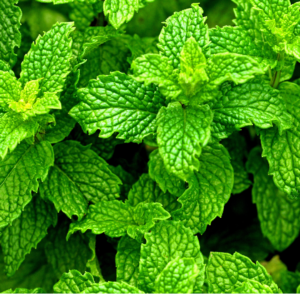
Meet Mentha x piperita
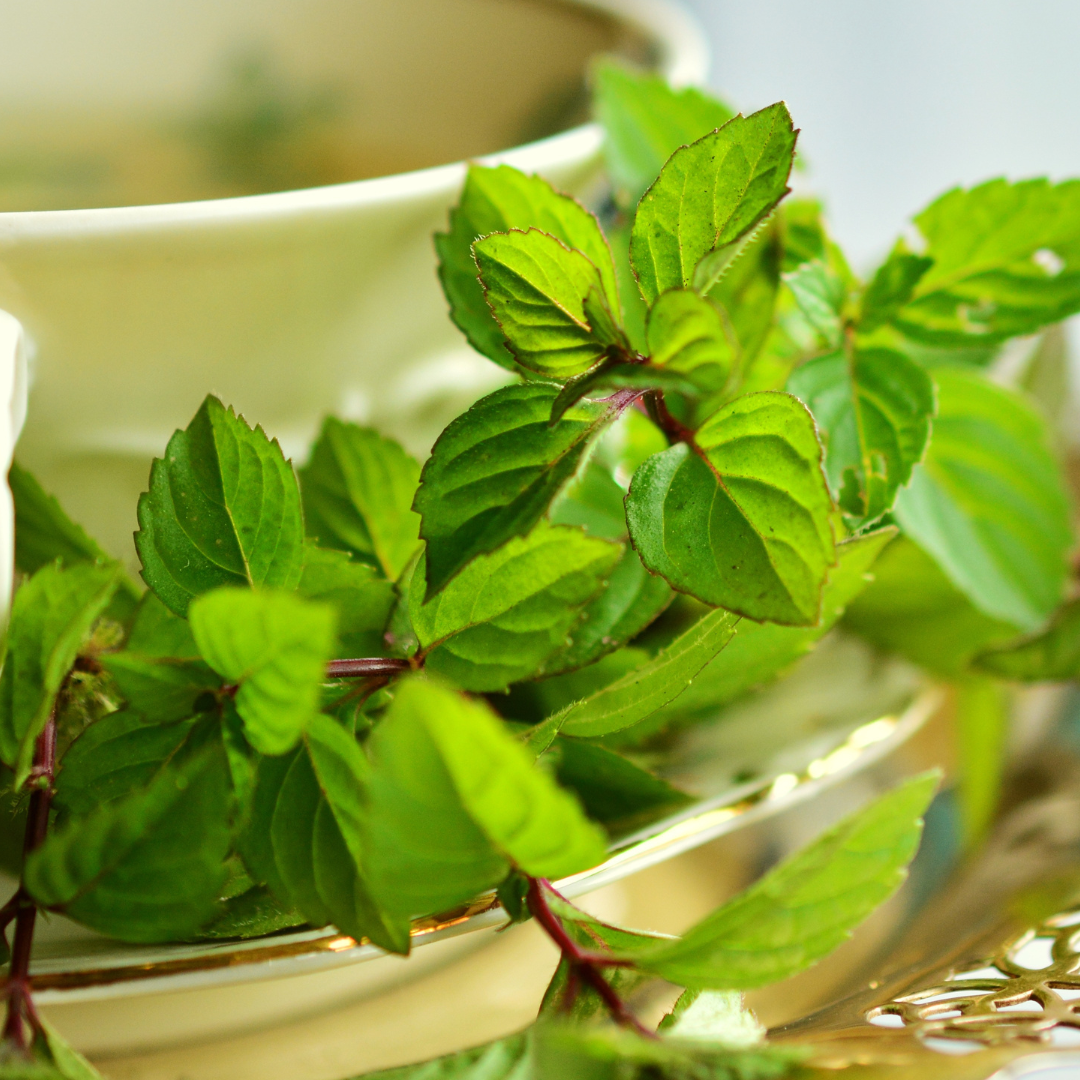
That little “x” in peppermint’s Latin name is one of my favorite botanical details to share with students, because it tells you something immediately interesting about this plant. Peppermint is a natural hybrid — a cross between watermint (Mentha aquatica) and spearmint (Mentha spicata) — and because of that hybrid nature, she is generally sterile. She cannot reproduce from seed. Every single peppermint plant you have ever grown, bought, or harvested has been propagated vegetatively, spreading itself through runners and roots, as if it has somewhere important to be and is not waiting for anyone’s permission to get there.
She belongs to the Lamiaceae family — the mint family — which also gives us lavender, rosemary, lemon balm, and basil. Good company. Really good company. She is a hardy perennial who loves moisture, thrives along streambanks and meadow edges, and will absolutely take over your garden if you let her. I say this from personal experience and with absolutely no regrets. Grow her in a container if you want to maintain any kind of boundaries. The leaves are what we use medicinally, and the best time to harvest is just before she flowers, when her volatile oil content is at its glorious, fragrant peak.
What Is Actually Going On Inside This Plant
Peppermint’s entire therapeutic reputation rests largely on its volatile oil, and the superstar of that oil is menthol, which makes up 33% to 55% of the essential oil, depending on the plant and growing conditions. Alongside menthol, you will find menthone, menthyl acetate, menthofuran, and 1,8-cineole, among other constituents. But that is not all this herb has to offer. Peppermint is also rich in flavonoids — eriocitrin, luteolin, hesperidin — and phenolic acids, including rosmarinic acid, which is a potent antioxidant that shows up throughout the Lamiaceae family like a signature.
All of these compounds together contribute to the antioxidant, anti-inflammatory, and antimicrobial actions that modern researchers have been studying — and that traditional herbalists across dozens of cultures have been working with for centuries. The science is catching up, friends. It usually does.
Digestion: Where Peppermint Has Always Been the Star
If there is one area where peppermint’s reputation is completely, thoroughly, evidence-backed, it is digestive health. And I love this, because it is also the most available entry point for most people. That cup of peppermint tea you make after a big dinner? You are not just participating in a pleasant ritual. You are doing actual herbal medicine, and your body knows it.
Menthol has antispasmodic properties — it helps relax the smooth muscle of the gastrointestinal tract. That is why peppermint calms cramping, eases bloating, and helps move things along when digestion feels sluggish or uncomfortable. Research on enteric-coated peppermint oil capsules for Irritable Bowel Syndrome has been particularly compelling, with multiple clinical trials showing meaningful reductions in abdominal pain, bloating, and cramping. The enteric coating matters in that context because it allows the oil to travel all the way to the intestines rather than releasing in the stomach — but even a well-made cup of peppermint tea is genuinely useful for everyday digestive complaints like indigestion, gas, and that heavy, uncomfortable fullness that follows a meal you may have not eaten quite so enthusiastically.
I have recommended peppermint for digestive support more times than I can count over more than two decades of herbal practice. It works. Simply, reliably, and beautifully.
Headaches and Pain Relief
This is one of my absolute favorite things to teach about peppermint, because it surprises people every single time. When diluted peppermint essential oil is applied topically to the temples and forehead, menthol creates a cooling feeling and acts as a mild analgesic. Small randomized controlled trials comparing topical peppermint oil to acetaminophen for tension headaches have produced genuinely promising results.
What I love about this, from an herbal perspective, is how it works — it works through multiple pathways simultaneously. Menthol binds to cold-sensitive receptors called TRPM8 receptors. It creates localized vasodilation. It may inhibit serotonin receptors involved in pain signaling. All of that, from a plant. From an herb that is growing in someone’s garden right now, probably trying to escape its container.
For topical use, always — always — dilute your peppermint essential oil in a carrier oil before applying it to skin. A good starting point for adults is 2 to 3 drops of essential oil per teaspoon of carrier oil. This is not optional. Respect the concentration of essential oils, and they will serve you beautifully.
Respiratory Support
Ask any experienced herbalist what they reach for when cold and flu season rolls in and I will tell you — peppermint is almost always on that list. Menthol is both a decongestant and an expectorant. It stimulates receptors in the nose that sense cold air and airflow, creating the wonderful sensation of breathing freely again. It also helps thin mucus and supports the body’s ability to clear it.
Steam inhalation with peppermint is one of those remedies I genuinely love to teach because it is so simple, so accessible, and so effective. A bowl of very hot water, a generous handful of dried peppermint leaf or a few drops of essential oil, a towel over your head, and a few minutes of slow, intentional breathing. That is it. It does not cost much, it does not require anything fancy, and it works. That is the kind of herbalism I believe in — the kind that is real, useful, and available to everyone.
Antimicrobial, Antioxidant, and Oral Health
Laboratory studies have consistently shown that peppermint extract and essential oil have antimicrobial activity against a range of bacteria and fungi — including some strains of Staphylococcus aureus, E. coli, and Candida species. This is part of why peppermint has historically been used to support oral health, and why it is still a standard ingredient in oral care products to this day. That is not just marketing. That is traditional knowledge that held up under systematic review.
The rosmarinic acid and other phenolic compounds in peppermint also contribute significant antioxidant activity, helping the body manage oxidative stress, which we know is linked to inflammation and a wide range of chronic health concerns. Having antioxidant-rich herbs woven into your daily life, even in something as simple as a cup of tea, is genuinely supportive of long-term wellbeing. Do not underestimate the power of consistent, everyday herbal practice.
Mental Focus and the Nervous System
This is the part of peppermint’s story that does not always get the attention it deserves, and I want to change that. Research into peppermint’s effects on cognitive performance and alertness has shown some genuinely interesting results. Inhalation of peppermint essential oil has been associated with improvements in memory, reaction time, and alertness. A lot of my students keep peppermint close during study periods for exactly this reason — and now they know there is actually science behind that instinct.
From a traditional energetic standpoint, peppermint is considered a cooling and clarifying herb. She moves stagnant energy, cuts through mental fog, and brings a sense of refreshed, gathered focus. When your brain feels like it is running through mud and you need to show up clear and present, reach for peppermint. She has been doing this work for a long time.