Turmeric: The Golden Herb Your Body Has Been Waiting For!
Turmeric! You know, some herbs whisper, and then there are herbs that absolutely sing. Turmeric is one of the singers. This gorgeous, golden-orange rhizome has been sitting in kitchens and apothecaries across South and Southeast Asia for over 4,000 years, and honestly? It has earned every bit of that reputation.
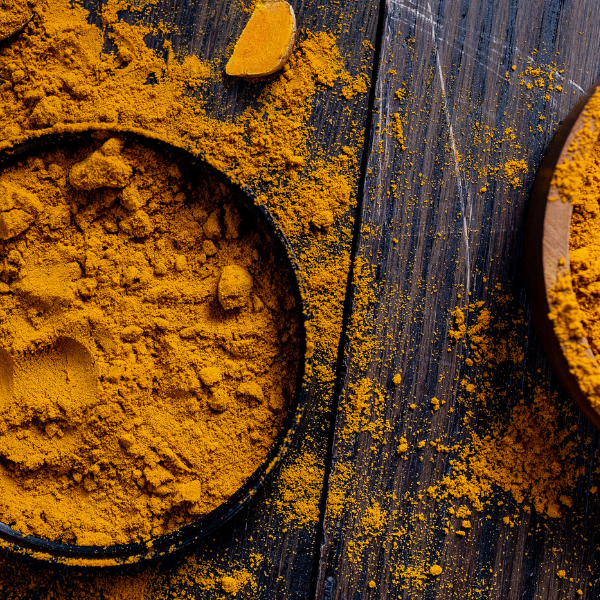
Curcuma longa belongs to the Zingiberaceae family — yes, that’s the ginger family, and you can absolutely taste that warm, grounding relationship when you work with it. The part we use most is the rhizome, that underground stem that, when dried and ground, gives us that iconic golden powder. Native to India and deeply woven into the fabric of Ayurvedic medicine, this is an herb that has been trusted by healers, grandmothers, and practitioners across centuries and continents. That kind of track record matters. That is the beauty of traditional plant medicine.
The Science Behind the Gold
The star of the show inside turmeric is curcumin, a polyphenolic antioxidant that makes up roughly 2–5% of turmeric by weight. It sounds small, but don’t let that fool you — this compound is doing enormous work in the body (Aggarwal & Harikumar, 2009).
Here is where I always start when I teach turmeric: inflammation. Inflammation is not your enemy. It is your body doing its job, trying to heal itself. The problem is when that switch never turns off. Chronic, low-grade inflammation sits at the root of so many of the health struggles I hear about from students and clients — joint pain, fatigue, digestive issues, heart disease, and more. Curcumin works by blocking the chemical signals in the body that keep inflammation turned on, including a key pathway called NF-κB (Gupta et al., 2013). Think of it as a gentle, natural off switch. No harsh side effects — just the quiet, steady wisdom of a plant that has been doing this work for a very long time.
Power Antioxidant
Curcumin is also a powerful antioxidant — and here is what I love about it. It doesn’t just neutralize free radicals on its own. It also upregulates the body’s own antioxidant enzymes, including superoxide dismutase (SOD) and glutathione peroxidase (Biswas et al., 2005). It is teaching your body to protect itself. That is some serious herbal intelligence right there.
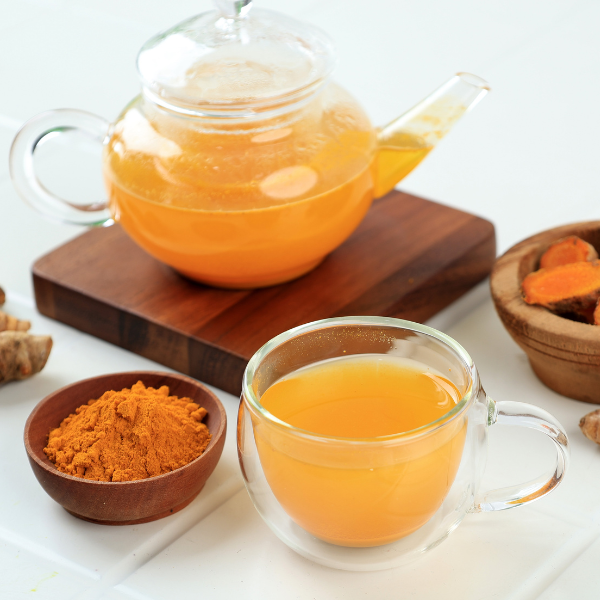
Now, here is something every herbalist absolutely must know, and I tell my students this all the time. Curcumin on its own is poorly absorbed by the body. You can take all the turmeric in the world and not get the benefit if you are not pairing it correctly. The solution? Black pepper. Piperine, the active compound in Piper nigrum, can increase curcumin bioavailability by up to 2,000% (Shoba et al., 1998). And because curcumin is fat-soluble, you always want to pair your turmeric with a healthy fat — coconut oil, ghee, olive oil. This is not optional, friends. This is just how the plant works best.
What Turmeric Can Do For You
Joints, Muscles, and Pain Relief
This is the one that brings most people to turmeric, and for very good reason. Turmeric has been used for centuries to treat joint pain, stiffness, and arthritis, and clinical research has shown that curcumin is comparable to some conventional anti-inflammatory medications for osteoarthritis — without the harsh side effects (Belcaro et al., 2010). I use my Golden Milk specifically for my aches and pains, and I have recommended it to countless students doing the same. It works, and it is delicious. We will get to that recipe in just a moment.
Digestion & Gut Health
In Ayurveda, turmeric is considered warming and moving — it gets things flowing the way they should. It stimulates bile production, supports liver function, soothes the gut lining, and has shown real benefit for people dealing with Irritable Bowel Syndrome and inflammatory bowel conditions (Holt et al., 2005). If your digestion feels sluggish or inflamed, this is a beautiful herb to reach for.
Liver Support
Your liver is one of the hardest-working organs in your body — quietly filtering everything you eat, drink, breathe, and absorb every single day. In addition, Turmeric is a wonderful ally for keeping it strong, promoting healthy bile flow, helping the body break down fats, and supporting the liver’s natural ability to clear out what it no longer needs (Shapiro et al., 2006). Furthermore, I think of it as a gentle thank-you to one of your most dedicated, underappreciated organs.
Brain & Cognitive Health
This one always gets my students excited, and rightfully so. Curcumin has been shown to cross the blood-brain barrier — which is actually pretty remarkable for a plant compound. It boosts BDNF, a protein crucial for neuron growth and cognitive function, and emerging research suggests it may help reduce the buildup of amyloid plaques associated with Alzheimer’s disease (Mishra & Palanivelu, 2008). For students, for older adults, for anyone wanting to keep their mind sharp and clear — turmeric belongs in the conversation.
Heart Health
Turmeric supports cardiovascular health by improving endothelial function, helping reduce oxidized LDL cholesterol, and lowering systemic inflammation (Wongcharoen & Phrommintikul, 2009). Heart disease is an inflammatory condition at its core, and turmeric speaks directly to that.
Immune Balance & Emotional Wellbeing
Turmeric acts as an immunomodulator — meaning it helps bring the immune system into balance, calming it when it is overactive and supporting it when it needs a boost. And in the realm of emotional health, curcumin has shown real promise for depression and anxiety, influencing serotonin and dopamine pathways in ways that are genuinely exciting (Lopresti et al., 2014). In traditional medicine across so many cultures, turmeric has long been considered a purifying herb for the body, mind, and spirit. Science is simply catching up to what healers have always known.

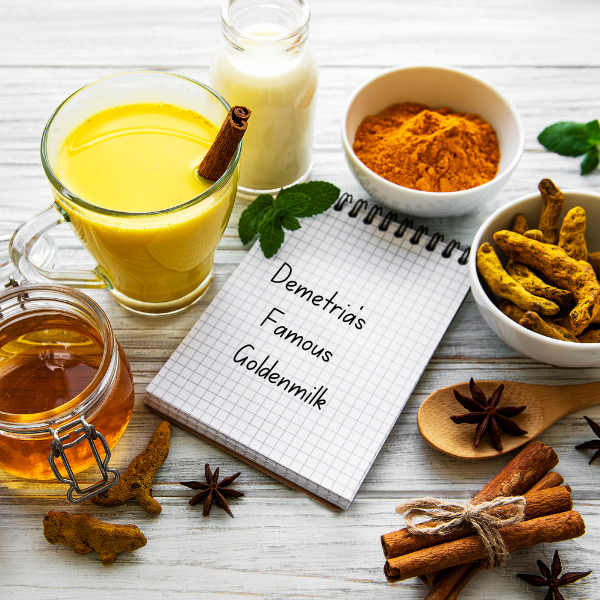
Demetria’s Famous Golden Milk Recipe
As seen on heartofherbs.com — and yes, it has been making the rounds for good reason.
My golden milk recipe has gotten lots of love, and I realized it needed its own proper home. Golden milk, also called Turmeric Milk, has been used in India for a long time for a variety of health reasons, with a rich history spanning centuries. Heartofherbs I use it for my aches and pains, and to help keep my body balanced. It is wonderful for arthritis, fibromyalgia, sore muscles, and general everyday wellness.
Ingredients:
- 3 cups of milk — any type you want. Do what works for you and your diet.
- 1 teaspoon turmeric — I use it fresh, crushed with a garlic press. Fresh gives it the most power, and you can find it in most grocery stores.
- 1 teaspoon cinnamon
- 1 teaspoon raw honey, agave nectar, or maple syrup — to taste. I often skip the sweetener entirely, but use what you love.
- Pinch of black pepper — optional, but do it. It helps with absorption and is a wonderful pain reducer.
- ½ teaspoon crushed fresh ginger
- Pinch of cayenne pepper — optional. When it is freezing outside, I love adding this one.
To Make It:
Sometimes I also add a pinch of mace, clove, or nutmeg depending on my mood, because this recipe is so easy to tweak. Heat the milk with the herbs on the stove for 8–10 minutes on low heat. Allow the herbs to steep for 15–20 minutes and reheat to taste. Sometimes I make a big jar because it allows you to make a few servings at a time, the night before, and warm as needed, straining out the herbs before drinking. Heartofherbs
To make it as a cold infusion, put all the ingredients in a large canning jar and steep in the refrigerator overnight. Strain and heat as needed in the morning. It is a little strong that way, but I love it.
Rather than just following the recipe exactly — be prepared to experiment. More ginger, less sweetener, a little chai spice? That is okay. Most of all, have fun with it. You will end up with a wonderful drink and a family recipe of your very own. 💛
How Else to Use Turmeric
Beyond Golden Milk, here are my favorite ways to work with this herb:
- Culinary use — Add to soups, stews, rice, roasted vegetables, and eggs. It gives rice that beautiful golden color, and the flavor is warming and grounding.
- Tincture — An alcohol or glycerin extract for more targeted therapeutic use.
- Capsules/supplements — Look for products standardized to curcumin content and formulated with piperine or in a lipid-based delivery system for proper absorption.
- Topical paste — A traditional poultice for skin inflammation, wound healing, and joint pain. This is an old, trusted application.
A Few Important Considerations
Because safety is always at the heart of good herbal practice, I want you to hold these close:
Turmeric can thin the blood, so use it with caution if you are on anticoagulant medications. High doses may stimulate uterine contractions; avoid them during pregnancy. Those with gallstones or bile duct obstruction should consult with a practitioner before using turmeric therapeutically, as it stimulates bile flow. And as always, please work with a qualified herbal practitioner when you are addressing serious health conditions.
This is an herb worth knowing deeply. It is golden for a reason.
References
Aggarwal, B. B., & Harikumar, K. B. (2009). Potential therapeutic effects of curcumin. International Journal of Biochemistry & Cell Biology, 41(1), 40–59.
Belcaro, G., et al. (2010). Efficacy and safety of Meriva®, a curcumin-phosphatidylcholine complex, during extended administration in osteoarthritis patients. Alternative Medicine Review, 15(4), 337–344.
Biswas, S. K., et al. (2005). Curcumin induces glutathione biosynthesis and inhibits NF-κB activation. Antioxidants & Redox Signaling, 7(1–2), 32–41.
Gupta, S. C., et al. (2013). Therapeutic roles of curcumin: lessons learned from clinical trials. AAPS Journal, 15(1), 195–218.
Holt, P. R., et al. (2005). Curcumin therapy in inflammatory bowel disease. Digestive Diseases and Sciences, 50(11), 2191–2193.
Lopresti, A. L., et al. (2014). Curcumin for the treatment of major depression. Journal of Affective Disorders, 167, 368–375.
Mishra, S., & Palanivelu, K. (2008). The effect of curcumin on Alzheimer’s disease. Annals of Indian Academy of Neurology, 11(1), 13–19.
Shapiro, H., et al. (2006). Curcumin and the liver. Journal of Hepatology, 44(6).
Shoba, G., et al. (1998). Influence of piperine on the pharmacokinetics of curcumin. Planta Medica, 64(4), 353–356.
Wongcharoen, W., & Phrommintikul, A. (2009). The protective role of curcumin in cardiovascular diseases. International Journal of Cardiology, 133(2), 145–151.
Disclaimer
Disclaimer Blog
The information presented on the Heart of Herbs Herbal School/Demetria Clark websites is for educational purposes only. Heart of Herbs Herbal School/Demetria Clark Education LLC makes neither medical claims nor intends to diagnose or treat medical conditions. Links to external sites are for informational purposes only. Heart of Herbs Herbal School/Demetria Clark neither endorses them nor is in any way responsible for their content. Readers must do their own research regarding the safety and usage of any herbs, recipes, or supplements.
Affiliate Disclosure
Some posts contain affiliate links. When you click on these and make a purchase the cost is the same for you, but we earn a small commission that helps me to provide scholarships to students. We only promote products that we know our clients have liked themselves.
Heart of Herbs Herbal School is a Amazon affiliate. As an Amazon Associate, we earn from qualifying purchases.