
Ashwagandha: The Ancient Root That Has Everything to Do With Your Modern Life
Let me tell you about one of my absolute favorite herbs to teach — one that students always come back to me about months later, saying, “Demetria, you were right. This herb changed things for me.” That herb is Ashwagandha, and if you haven’t gotten to know her yet, today is a wonderful day to start.
Withania somnifera is a humble, woody shrub — a distant cousin to tomatoes and peppers — that has been growing in the sunbaked soils of India, North Africa, and the Mediterranean for thousands of years. Her Sanskrit name means “smell of horse,” hinting at her deep, earthy aroma and her legendary ability to build strength and stamina. In Ayurvedic medicine, she’s been a cornerstone for over 3,000 years, classified as a Rasayana — a tonic for longevity, vitality, and whole-body health. That’s not a short track record. That’s wisdom we can trust.
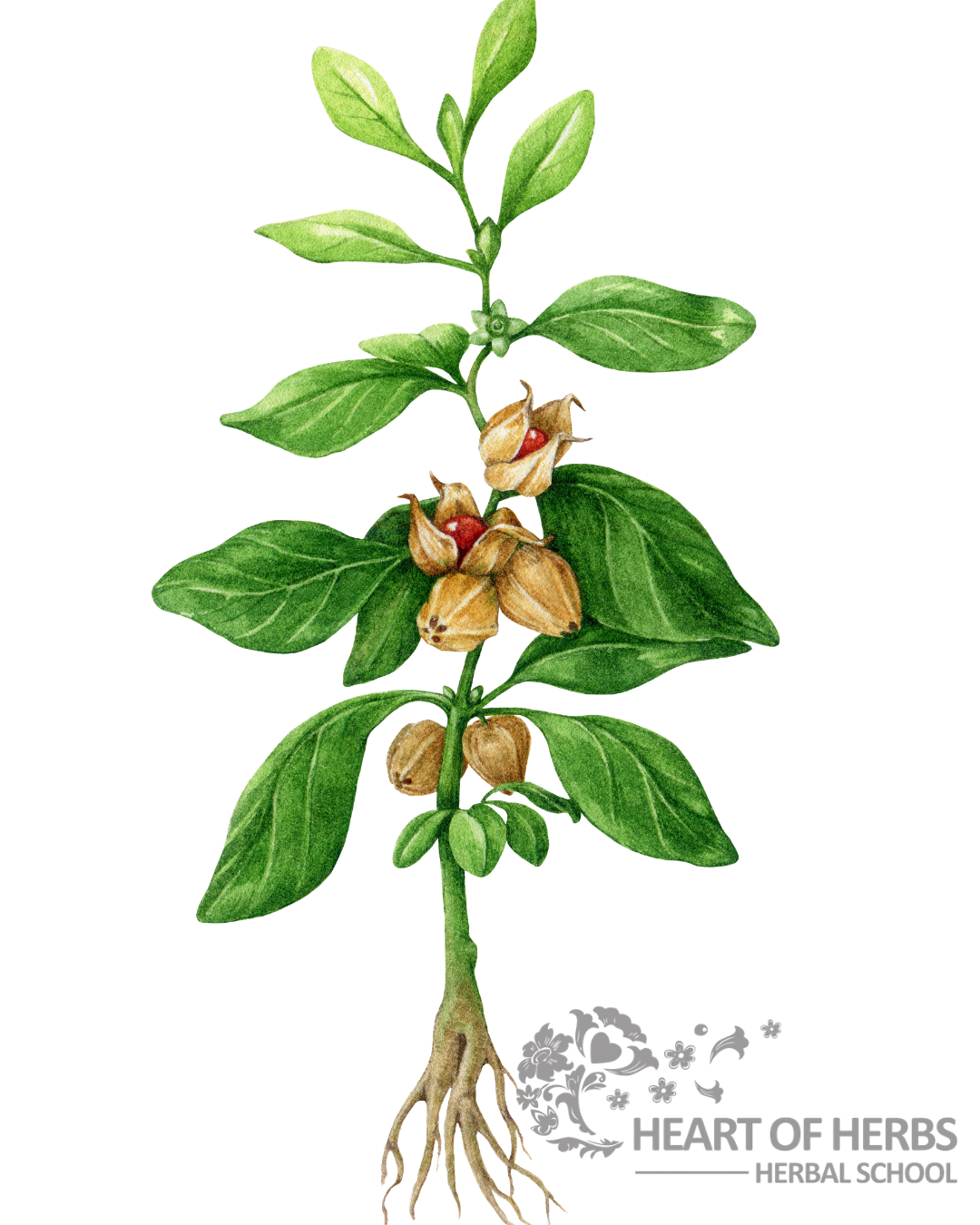
What Makes Ashwagandha Work
The roots and leaves are where the medicine lives, and they are packed with a remarkable collection of natural compounds — withanolides (steroidal lactones), alkaloids, saponins, and iron. These constituents work together in ways that modern science is only beginning to fully appreciate.
One of the most important things I teach my students is this: the body cannot heal when it is drowning in stress. And this is precisely where Ashwagandha shines brightest.
She is a true adaptogen — meaning she helps your body respond more wisely to stress, whether it’s physical, emotional, or chemical. She does this by influencing the hypothalamic-pituitary-adrenal (HPA) axis, essentially helping your stress response system find its footing again. A landmark 2012 clinical trial published in the Indian Journal of Psychological Medicine found that participants taking 300mg of root extract twice daily experienced a 27.9% reduction in cortisol compared to those on a placebo (Chandrasekhar et al., 2012). That is meaningful, measurable relief.
For Your Brain and Your Memory
If you’re a student in one of my herbal programs, you already know I recommend this one. Ashwagandha’s withanolides support nerve cell growth and connectivity, and research shows they can reduce the accumulation of beta-amyloid plaques, which are associated with cognitive decline (Kuboyama et al., 2006). She also boosts acetylcholine receptor activity in the brain, which is the neurotransmitter pathway tied directly to learning and memory (Bhattacharya et al., 2002).
No jitters. No crash. Just clear, calm focus. That’s the Ashwagandha difference.
Strength, Endurance, and Hormonal Health
Ancient Ayurvedic texts praised Ashwagandha for building physical strength — and modern research with athletes supports that. Studies show improvements in maximum oxygen uptake, muscle strength, recovery time, and reduced exercise-induced muscle damage (Wankhede et al., 2015). There is also solid research showing increases in testosterone among men, which supports both athletic performance and reproductive health (Ambiye et al., 2013).
For those navigating thyroid or hormonal imbalances, Ashwagandha has been shown to support thyroid hormone production, making it a thoughtful consideration for those with sluggish thyroid function (Sharma et al., 2018). She has also shown promise in supporting progesterone balance and improving fertility in both men and women.
Immune Support and Calming Inflammation
Withanolides gently block key inflammation pathways — offering anti-inflammatory support without the harsh side effects of pharmaceutical alternatives. Research also shows Ashwagandha enhances the activity of natural killer cells, the immune system’s front-line defenders (Bani et al., 2006). If chronic inflammation or frequent illness is part of your health picture, this herb is worth sitting with.
How to Use Ashwagandha
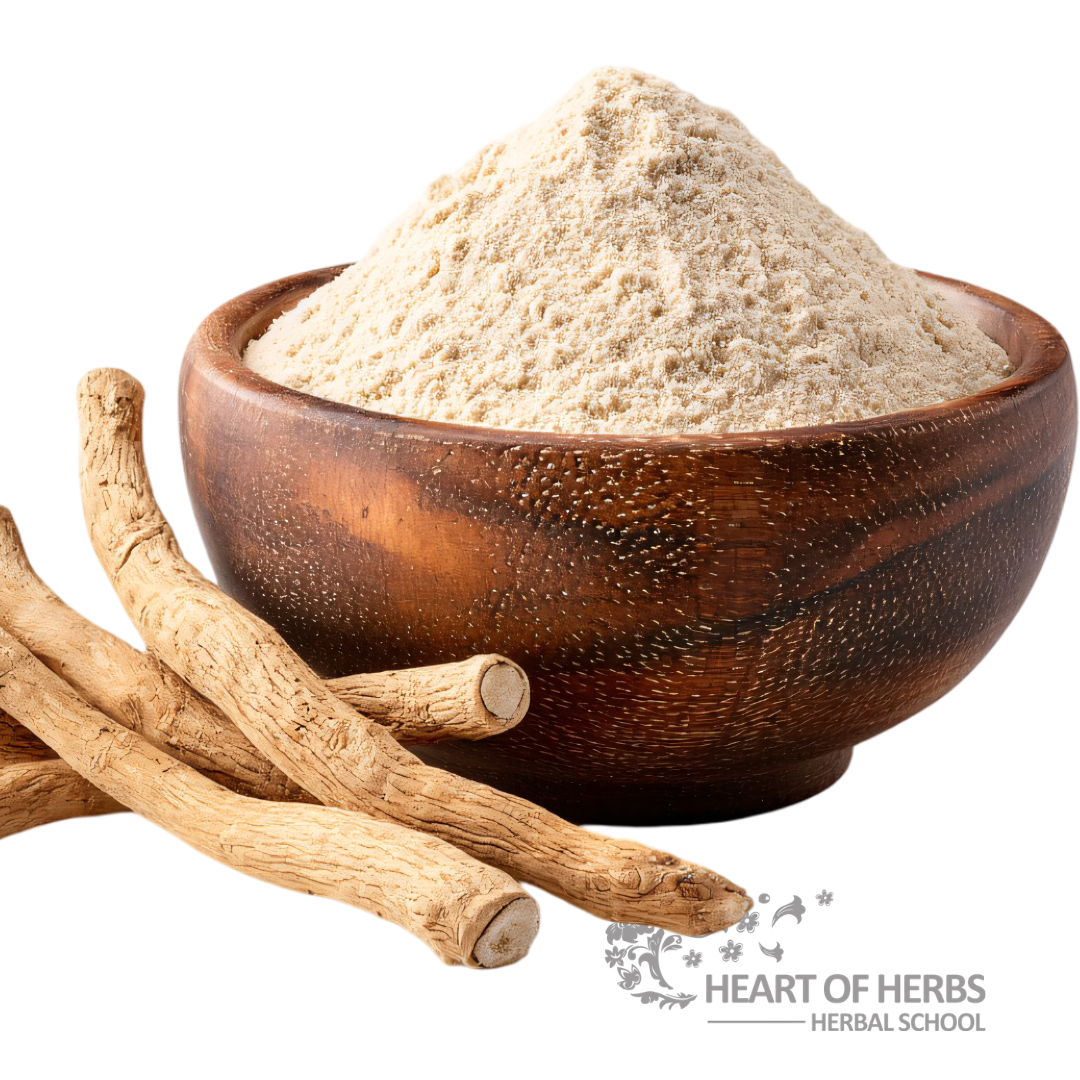
The traditional preparation — ashwagandha ksheerpaka — is simply root powder stirred into warm milk with honey. I love this method in the evening, and it makes sense when you remember that somnifera literally means “sleep-inducing.” It is grounding, warming, and lovely.
Today you can also work with her as:
- Root powder in warm milk, golden milk, or smoothies — 3 to 6 grams daily
- Standardized root extract (2.5–5% withanolides) — 300 to 600mg daily, the clinically studied range
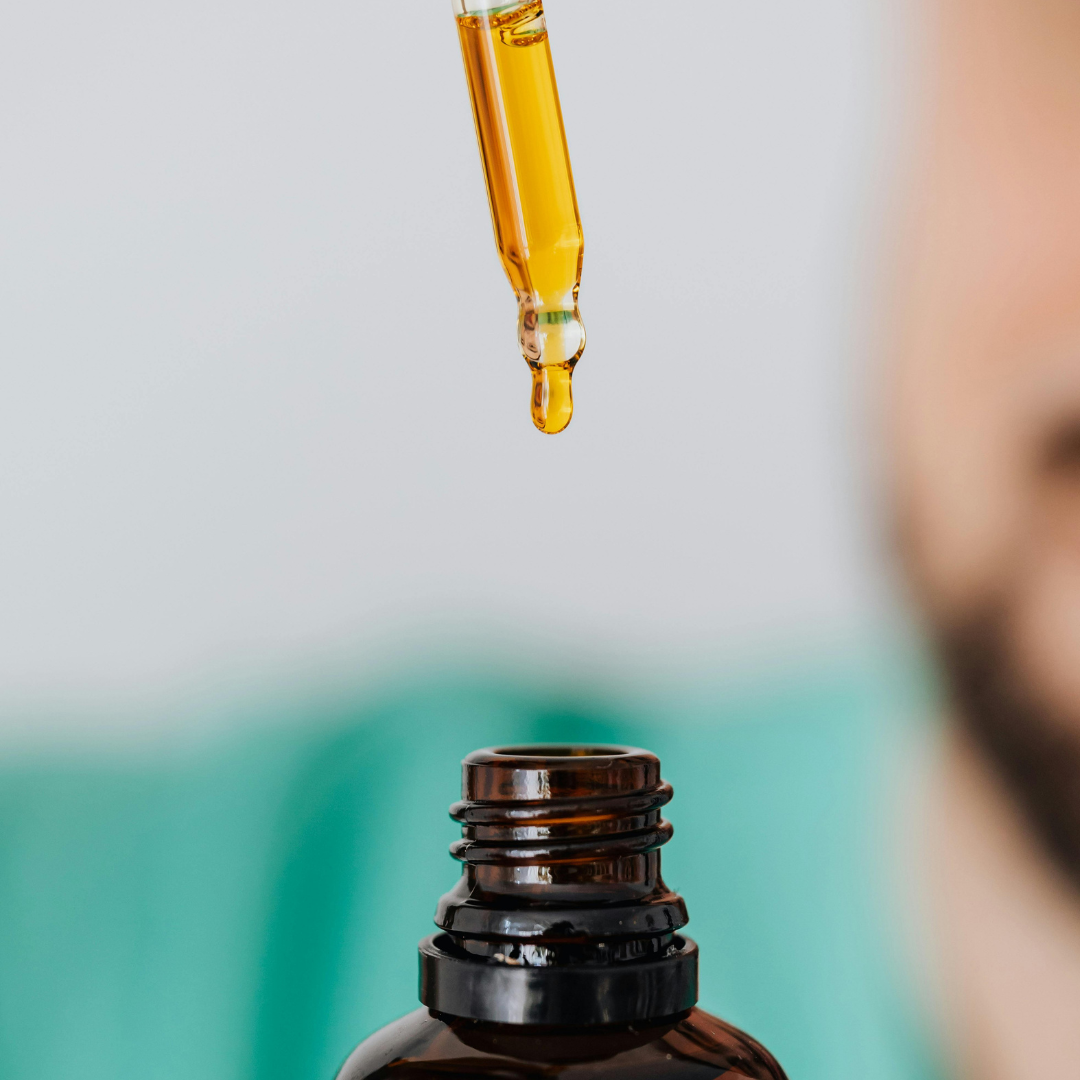
- Tincture — 2 to 4ml, 1:5 dried root in 60% alcohol
- Capsules — for those who find the flavor a bit earthy and challenging
One thing I always tell my students: Ashwagandha is a tonic for the long haul, not a quick fix. Her full gifts tend to unfold over 6 to 12 weeks. Be patient with her, the way you would be patient with a slow-growing garden. She will reward your consistency.
A Few Important Cautions
Because safety is always at the heart of good herbalism, please hold these close:
- Avoid during pregnancy — traditionally contraindicated, and may stimulate uterine contractions
- Use caution with hyperthyroid conditions — she stimulates thyroid activity
- Possible interactions with immunosuppressants, sedatives, and thyroid medications
- Nightshade sensitivity — as a member of the Solanaceae family, those with sensitivities should proceed mindfully
When in doubt, work with a trained herbalist or an integrative healthcare provider. That’s not a disclaimer — that’s just good sense.
A Long History
Ashwagandha has been walking alongside human beings for more than three thousand years. She has tended to warriors and scholars, mothers and monks. She is still here, still quietly remarkable, still ready to help you do the same. I am so glad she’s part of my teaching — and I hope she finds her way into your practice, too.
References
Ambiye, V. R., et al. (2013). Clinical evaluation of the spermatogenic activity of the root extract of Ashwagandha. Evidence-Based Complementary and Alternative Medicine.
Bani, S., et al. (2006). Selective Th1 up-regulating activity of Withania somnifera. Journal of Ethnopharmacology, 107(1).
Bhattacharya, S. K., et al. (2002). Anxiolytic-antidepressant activity of Withania somnifera. Phytomedicine, 7(6).
Chandrasekhar, K., et al. (2012). A prospective, randomized double-blind study of Ashwagandha root extract in reducing stress and anxiety. Indian Journal of Psychological Medicine, 34(3), 255–262.
Kuboyama, T., et al. (2006). Neuritic regeneration and synaptic reconstruction induced by withanolide A. British Journal of Pharmacology, 144(7).
Sharma, A. K., et al. (2018). Efficacy and safety of Ashwagandha root extract in subclinical hypothyroid patients. Journal of Alternative and Complementary Medicine, 24(3).
Wankhede, S., et al. (2015). Examining the effect of Withania somnifera supplementation on muscle strength and recovery. Journal of the International Society of Sports Nutrition, 12(43).

Disclaimer
Disclaimer Blog
The information presented on the Heart of Herbs Herbal School/Demetria Clark websites is for educational purposes only. Heart of Herbs Herbal School/Demetria Clark Education LLC makes neither medical claims nor intends to diagnose or treat medical conditions. Links to external sites are for informational purposes only. Heart of Herbs Herbal School/Demetria Clark neither endorses them nor is in any way responsible for their content. Readers must do their own research regarding the safety and usage of any herbs, recipes, or supplements.