
Herbal Relief for Mosquito Bites
Mosquito bites are among the most common yet frustrating skin reactions we face. When bitten, you may notice a bump, redness, and itching. These symptoms occur because your immune system reacts to proteins in the mosquito’s saliva. Histamine release causes the itch, while local inflammation leads to swelling and warmth. Most bites heal on their own within a few days. However, in the meantime, they can be very irritating. This is especially true for children, who tend to scratch until the skin breaks and infection develops.
Fortunately, the plant world offers many safe and effective remedies. These natural solutions can soothe bites, reduce itching, and support skin healing. Interestingly, many of these herbs are likely growing nearby — in your yard, garden, or along the street. This guide introduces you to the most reliable herbal allies for mosquito bites. It also provides a quick-reference usage chart and two basic recipes. You can make these at home and keep them ready all summer.
Remember, herbal remedies work best when used with care. If you notice a severe reaction, such as spreading redness, pus, fever, or red streaks moving up a limb, seek medical help. Likewise, if you experience symptoms of mosquito-borne illnesses like high fever, rash, severe headache, or joint pain, contact a healthcare professional immediately.
Why These Herbs Work
Antihistamine Action
Herbs like plantain, nettle (yes, the same plant that stings you also calms histamine reactions internally and topically), and chickweed help moderate the body’s histamine response, reducing both itch and swelling at the bite site. Plantain in particular contains aucubin and allantoin, compounds known for their anti-inflammatory and tissue-soothing actions.
Anti-inflammatory Action
Calendula, yarrow, lavender, and chamomile all contain volatile oils and flavonoids that calm local inflammation. This reduces redness, heat, and puffiness around a bite and can shorten the time the bite remains visible and uncomfortable.
Cooling and Astringent Action
Witch hazel, peppermint, and chickweed deliver an immediate cooling sensation that relieves itching almost on contact. Astringent herbs like witch hazel and yarrow gently tighten the skin, reducing fluid accumulation in the welt and helping small surface vessels constrict.
Antimicrobial and Wound-Healing Action
Once a bite has been scratched open—or for sensitive skin that breaks easily—antimicrobial herbs become essential. Lavender, tea tree, yarrow, and calendula help prevent secondary bacterial infection while supporting the skin’s natural repair processes. Calendula is especially celebrated for its ability to stimulate tissue regeneration.
Herbal Relief for Mosquito Bites: Materia Medica
Plantain
Plantago major (broadleaf plantain) and Plantago lanceolata (narrowleaf or ribwort plantain)
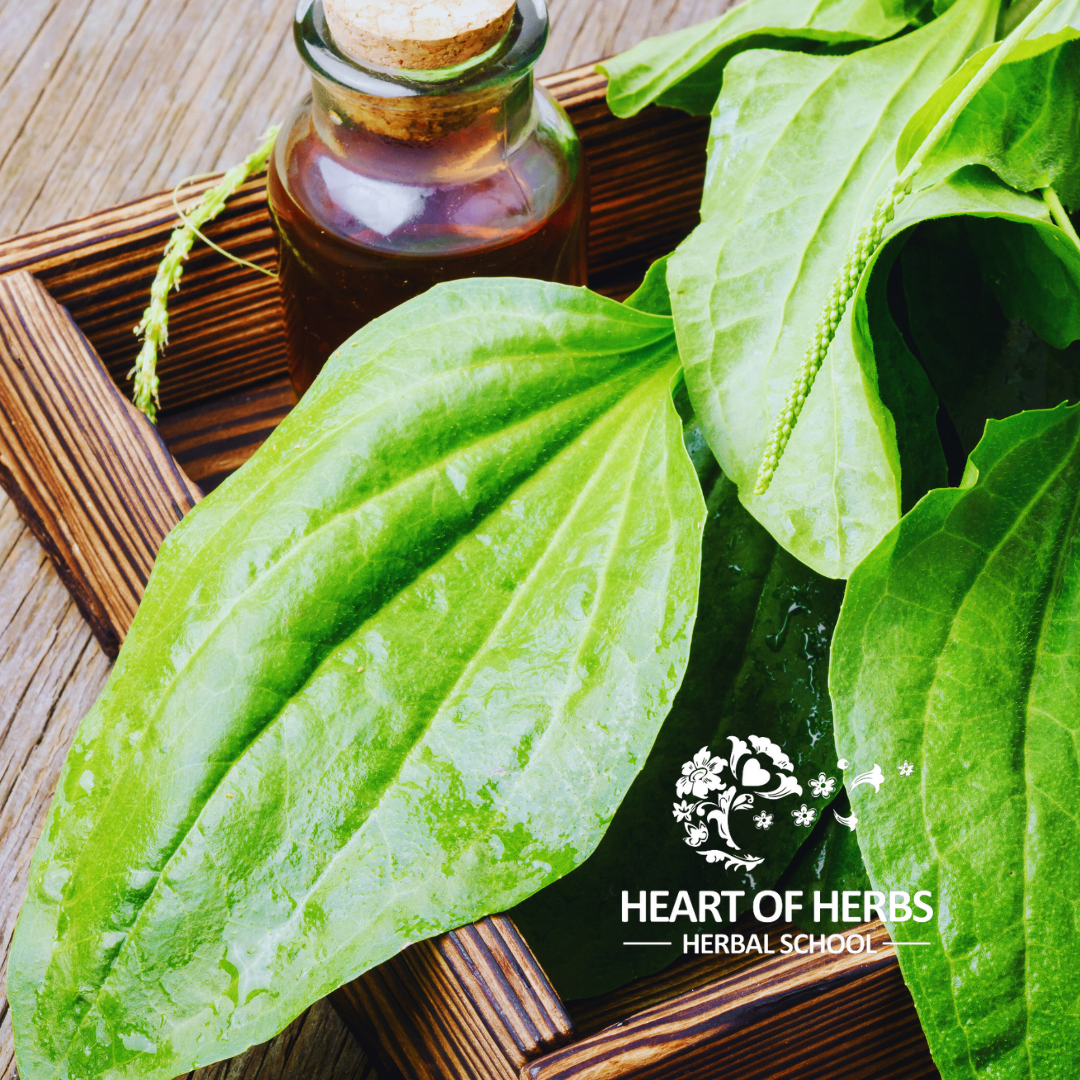
Plantain is the gold standard for bug bites and the first herb I teach every student to recognize. It is anti-inflammatory, antihistamine, drawing, and tissue-healing. The leaves contain aucubin (antimicrobial), allantoin (cell regenerative), and mucilage (soothing). Plantain is so reliably present in lawns, sidewalks, and pastures across most of North America that you are rarely far from it.
Best applications: Fresh spit poultice (chew a clean leaf briefly, apply directly to the bite — the saliva activates the plant compounds and provides instant relief, often within minutes). Plantain-infused oil and salve are essential preparations for any home apothecary. Fresh plantain succus or tincture diluted in water also works as a quick rinse.
Chickweed
Stellaria media
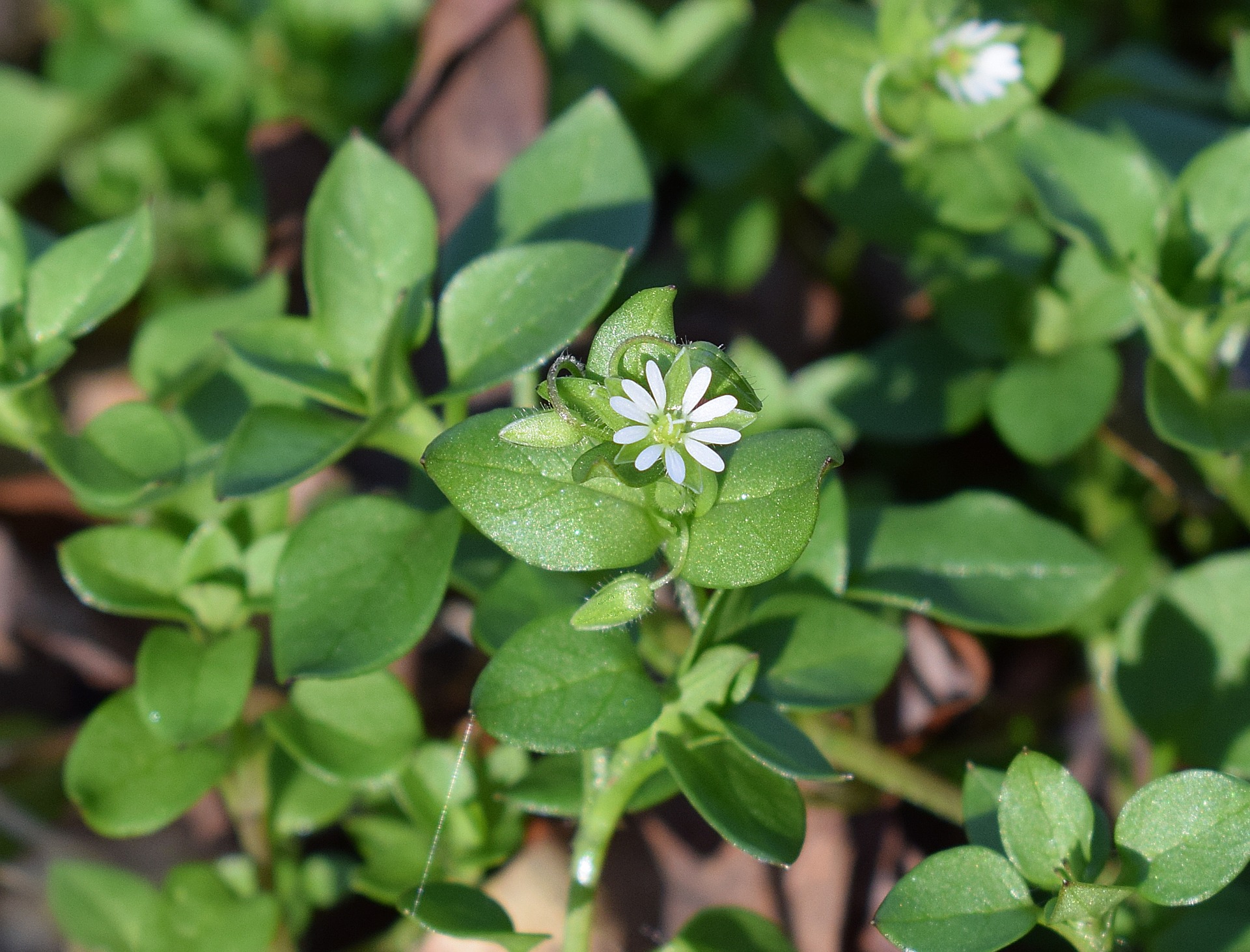
Chickweed is wonderfully cooling, soothing, and gentle — making it especially appropriate for children, sensitive skin, and inflamed, hot bites. It is rich in saponins, vitamins, and minerals, and works beautifully both fresh and as an infused oil.
Best applications: Fresh poultice for hot, itchy bites; chickweed-infused oil for ongoing daily care; cool chickweed tea as a compress or skin rinse. Chickweed loses potency quickly when dried, so prefer fresh or freshly infused preparations.
Yarrow
Achillea millefolium
Yarrow is a venerable wound herb with strong antimicrobial, anti-inflammatory, astringent, and styptic actions. For mosquito bites, yarrow is most useful when the bite has been scratched open or when you want to prevent secondary infection. Its bitter aromatic compounds also help drive down localized inflammation.
Best applications: Cool yarrow tea as a compress on inflamed or broken bites; yarrow-infused oil; yarrow tincture diluted and dabbed on. Yarrow also pairs beautifully with plantain in salves and sprays.
Calendula
Calendula officinalis
Calendula is one of the most beloved skin herbs in Western herbalism — gentle, anti-inflammatory, and remarkably effective at supporting tissue repair. While calendula is not as fast-acting on the itch as plantain or peppermint, it shines when bites have been scratched, when skin is irritated and slow to heal, or when you want a daily-use product that supports skin integrity over the bug-bite season.
Best applications: Calendula-infused oil, calendula salve, calendula succus (fresh-pressed juice preserved in alcohol). Especially nice for children and the elders.
Lavender
Lavandula angustifolia
Lavender is anti-inflammatory, gently antimicrobial, and calming to both the skin and the nervous system. The essential oil of true lavender is one of the very few essential oils traditionally considered safe for neat (undiluted) application to a small area of intact skin — a single drop on a fresh mosquito bite can dramatically reduce itch and swelling within minutes.
Best applications: One drop of lavender essential oil neat on intact skin; lavender hydrosol as a cooling spray; lavender-infused oil; lavender added to salve formulas. Avoid applying neat to broken skin or to infants. For children under 2, use only in a diluted carrier (1 drop per tablespoon of carrier oil, or less).
Witch Hazel
Hamamelis virginiana
Witch hazel is one of our most familiar Appalachian and Eastern Woodland medicines — a deeply astringent and cooling remedy that tightens tissue, reduces swelling, and calms itch on contact. Distilled witch hazel extract (the kind sold in drugstores) works well; alcohol-based tinctures of bark and twig are even stronger.
Best applications: Distilled witch hazel dabbed directly on bites with a cotton round; chilled witch hazel for an extra cooling effect (keep a bottle in the refrigerator during summer); witch hazel as the liquid base in after-bite sprays.
Basil and Tulsi
Ocimum basilicum (sweet basil) and Ocimum tenuiflorum (holy basil, tulsi)
The volatile oils in basil and tulsi — especially eugenol, linalool, and methyl chavicol — are anti-inflammatory and mildly analgesic. Crushed fresh basil leaves rubbed on a bite reduce itch and swelling and provide a pleasant aromatic. Tulsi has the added benefit of being a powerful adaptogen and is widely used in Ayurvedic skin formulations.
Best applications: Fresh leaf rubbed directly on bites; basil-infused vinegar dabbed on with a cotton round; tulsi-infused oil added to salves.
Peppermint
Mentha × piperita
Menthol, peppermint’s primary active constituent, produces an immediate cooling sensation that distracts the nerves from the itch signal — providing fast relief. Peppermint is also gently antimicrobial and anti-inflammatory.
Best applications: Crushed fresh leaf rubbed on a bite; cooled peppermint tea as a compress; peppermint hydrosol as a spray; peppermint essential oil diluted at 1–2% in carrier oil. Avoid peppermint essential oil on infants and small children — use fresh leaf or hydrosol instead.
Chamomile
Matricaria chamomilla (German) and Chamaemelum nobile (Roman)
Chamomile is anti-inflammatory, mildly antihistamine, and exceptionally gentle — making it a favorite for children’s skin formulations. Its azulene-containing volatile oils calm reactive, itchy, inflamed skin.
Best applications: Cool chamomile tea as a compress or spray; chamomile-infused oil; chamomile hydrosol.
Plant medicine for mosquito bites is a beautiful entry point into herbalism — the remedies are simple, the plants are abundant, and the relief is immediate enough that even the most skeptical family member becomes a believer after one application.
Herbal Relief for Mosquito Bites: I encourage you to learn just a few of these herbs deeply rather than trying to know them all at once. Walk your land. Notice where plantain grows (it will be everywhere). Sit with chickweed in the cool damp corners of spring. Let yarrow and calendula bloom in your garden each year so that you have a harvest to dry and infuse for winter salves.
These plants have been tending human skin for thousands of years. They are still ready to tend yours.
— Demetria Clark
Founder and Director, Heart of Herbs Herbal School
